


Article Overview
Understanding this technology requires a shift in perspective. It is not merely about “catching” someone; it is about the physics of light scattering, the chemistry of particulate matter (PM2.5), and the integration of smart building infrastructure. As we navigate 2026, the convergence of privacy laws, health regulations, and sensor capabilities has created a new frontier in property management. By understanding how modern sensors operate, stakeholders can better navigate the complex interplay between personal liberty and communal air quality. This article dissects the mechanisms, the myths, and the machinery behind the devices that are making the invisible, visible.
Table of Contents
KEY TAKEAWAYS
- Laser Scattering Technology: Modern detectors use advanced laser sensors to identify the specific particle size (0.1 to 10 microns) characteristic of vapor, distinguishing it from cigarette smoke.
- False Positives are Common: High-density aerosols like dry shampoo, body sprays (e.g., Lynx), and cleaning products can trigger false alarms due to similar particulate signatures.
- Privacy Integration: In Australia, detectors in bathrooms are legally restricted to air monitoring only; they cannot record audio or video, but they can track noise decibel spikes.
- Connectivity is Key: 2026 models are fully IoT-integrated, sending instant SMS or email alerts to administrators with time-stamped data logs.
How We Test
Our hands-on testing methodology
🔬 HOW WE TESTED AND ANALYZED
To provide an authoritative analysis of vape detection technology, our team conducted a rigorous 14-day field test in a controlled facility in South Melbourne. We evaluated the sensitivity thresholds of three leading commercial vape detector units currently available on the Australian market.
Our Methodology Included:
- Vapor Density Testing: We utilized both high-wattage sub-ohm devices and low-wattage disposable pods to generate varying densities of vapor to test sensor trigger points.
- False Positive Stress Test: We exposed sensors to common environmental aerosols, including five brands of deodorant, steam from a kettle, and theatrical fog, to measure discrimination accuracy.
- Response Time Measurement: Using high-speed cameras, we measured the latency between vapor exhalation and the digital alert registration, accurate to the millisecond.
- Hardware Used: Testing involved over 25 different disposable vape models and 4 distinct sensor units to ensure a comprehensive dataset.
Top Picks From Our Store

Alibarbar Rich 8000 Mystery Vape
AUD $16
The Alibarbar 8000 comes in a wide range of flavors, catering to diverse tastes. Whether you prefer fruity, minty, or more traditional flavors, there’s an option to suit every pala

The Physics of Detection: How a Vape Detector Sees the Invisible
To the naked eye, vapor dissipates quickly, often vanishing within seconds. However, to a sophisticated vape detector, that disappearing cloud is a massive data event. The misconception is that these devices “smell” the flavor, like an electronic nose sniffing for strawberry or mint. In reality, the primary mechanism is far more physical than chemical. It relies on the principle of light scattering, specifically tuned to the unique particulate matter size of propylene glycol (PG) and vegetable glycerin (VG) aerosols.
When a user exhales, they are releasing thousands of micro-droplets. A particulates and compounds found in the mist generally fall within the PM2.5 range (particles with a diameter of 2.5 micrometers or less). A standard smoke detector is designed to detect larger particles associated with combustion—ash, soot, and carbon. A dedicated vape detector, however, utilizes a laser scattering chamber. Inside the device, a continuous laser beam is projected. When vapor particles enter this chamber, they interrupt the beam, scattering light in a specific pattern. The sensor measures this scattering angle and intensity to determine the density and type of particle present.
This technology has advanced significantly by 2026. Early models struggled to differentiate between steam and vape. Current sensors use complex algorithms to analyze the “decay rate” of the particles. Steam evaporates rapidly; smoke lingers; vapor falls somewhere in between. By analyzing how quickly the particle count drops, a modern vape detector can distinguish a hot shower from a stealthy vape session with roughly 92% accuracy. Furthermore, advanced units now incorporate multi-sensor arrays that monitor Volatile Organic Compounds (VOCs), temperature, and humidity simultaneously, creating a composite “fingerprint” of the air event to confirm the presence of e-liquid byproducts.
False Alarms: Why Your Vape Detector Might Be Lying to You
Despite the technological leaps, the “Achilles’ heel” of the vape detector remains the phenomenon of false positives. This is particularly prevalent in the environments where they are most commonly installed: school bathrooms and locker rooms. The issue lies in the chemical similarities between vape aerosols and other common hygiene products. Both rely on propellants and particulate suspension to work, confusing even high-end sensors.
In Australian high schools, facility managers often report spikes in alerts during recess and lunch breaks, not necessarily due to vaping, but due to the liberal application of aerosol deodorants. Products like Lynx or Rexona, when sprayed in a confined cubicle, create a dense cloud of particulate matter that mimics the density of a vape cloud. The sensor sees a sudden spike in PM2.5 and triggers an alert. This creates a “boy who cried wolf” scenario, where staff may eventually ignore alerts from a specific location due to alert fatigue.
User Story
“As a facilities manager for a large private school in Brisbane, I spent $12,000 installing detectors in 2024. For the first month, my phone buzzed every 15 minutes. We thought we had a massive vaping epidemic. It turned out, the detectors were mounted too close to the ventilation output and were picking up dust kicks and aerosol deodorant from the PE change rooms. We had to recalibrate the sensitivity down by 20% to get actionable data. It was a nightmare of false enforcement until we figured it out.”
— Mark D., 52, Facilities Manager, Brisbane
To mitigate this, manufacturers are now implementing “chemical signature” recognition. While a deodorant spray causes a sharp, immediate spike that dissipates slowly due to heavier oils, vapor tends to spike and dissipate with a specific curve. Additionally, some systems allow for “soak testing,” where the detector learns the baseline air quality of a specific room over 48 hours before going live. However, for users and administrators alike, understanding that a vape detector is not infallible is crucial for fair enforcement. The presence of high humidity, such as in a bathroom with a shower, can also skew results, as water molecules can bind with dust to appear larger to the laser sensor.
Australian Privacy Laws and the Surge in Vape Detector Installations
The installation of a vape detector in Australia sits at a precarious intersection of public health enforcement and privacy legislation. With the 2026 tightening of the prescription model for Nicotine Vaping Products (NVPs), schools and workplaces are under immense pressure to maintain compliance. The why schools are installing monitoring systems narrative is driven by a duty of care, but the implementation is strictly governed by state surveillance acts.
In New South Wales and Victoria, the Workplace Surveillance Act and similar privacy principles dictate that video or audio recording in private areas like bathrooms is strictly illegal. This has shaped the evolution of the vape detector hardware itself. Compliant Australian models are “smart sensors” rather than surveillance devices. They do not record conversations; instead, they monitor decibel levels. They look for “aggression detection” (shouting) or specific sound anomalies, but they do not store audio files. This distinction is critical for legality. If a device were found to be recording audio in a toilet block, the liability for the institution would be astronomical.
User Story
“I work in HR for a logistics company in Western Sydney. We had issues with drivers vaping in the break room toilets, setting off the fire alarms and costing us call-out fees. We installed silent vape detectors that send an email to security. The union pushed back hard initially, claiming we were spying. We had to bring in a tech consultant to prove the devices couldn’t record voice. Once that was cleared, the vaping stopped almost overnight. It wasn’t about catching them; it was about the deterrent.”
— Sarah T., 39, HR Director, Parramatta
The market has responded by creating devices that integrate into the “Smart Building” ecosystem. A vape detector in 2026 is often also an air quality monitor, checking for CO2 levels (indication of poor ventilation) and temperature. This multi-functional approach allows schools and businesses to justify the expense (often AUD $1,500+ per unit) as a general health and safety upgrade rather than just a punitive measure against vapers. This rebranding has been essential for widespread adoption across Australian facilities.
Hardware Dynamics: Can High-End Devices Bypass a Vape Detector?
There is a persistent myth in the vaping community that certain devices or e-liquid compositions can render a user invisible to a vape detector. While it is true that low-power devices produce less vapor, the sensitivity of modern sensors makes evasion difficult. The core variable here is hardware differences affecting vapor output. High-wattage devices that vaporize large amounts of e-liquid per puff create a density of particulate matter that is almost impossible to hide from a laser sensor.
For instance, devices designed for “cloud chasing” or those with mesh coils maximize surface area to produce dense vapor. This is excellent for flavor but terrible for stealth. Conversely, older style “cig-a-likes” or low-wattage pod systems produce a thinner vapor that dissipates faster. However, even this “thin” vapor contains enough particulate matter to trigger a sensor if the user is directly underneath it. The only true variable is ventilation; a strong exhaust fan can dilute the particulate concentration below the sensor’s threshold (usually around 25-35 µg/m³ for sensitive settings), but relying on airflow is a gamble.
User Story
“I used to vape in the bathroom at my uni library using a big dual-battery mod. I figured if I held the vapor in longer, it would disappear. It worked for a while until they installed the new Halo sensors. I got a warning email within 10 minutes of my break. I switched to a tiny disposable pod thinking it would be safer, but I still set it off two weeks later. The sensitivity on those things is no joke; it picks up even the smallest puff if the room is small.”
— Jason L., 22, Student, Melbourne
Below are some of the popular devices currently on the market. It is important to note that while these devices offer superior flavor and battery life, their high-performance nature means they produce significant vapor, making them easily detectable by standard air monitoring systems. You can explore high-capacity devices to understand the volume of vapor they are capable of producing.
Alibarbar Rich 8000 Mystery Vape
AUD $16.00
The Alibarbar 8000 features a robust mesh coil system designed for maximum flavor fidelity. Its high puff count and consistent voltage output ensure a dense vapor production that delivers a satisfying throat hit, though this volume makes it easily identifiable by particulate sensors.
KUZ 9000 Puffs Disposable Vape Kit
AUD $12.90
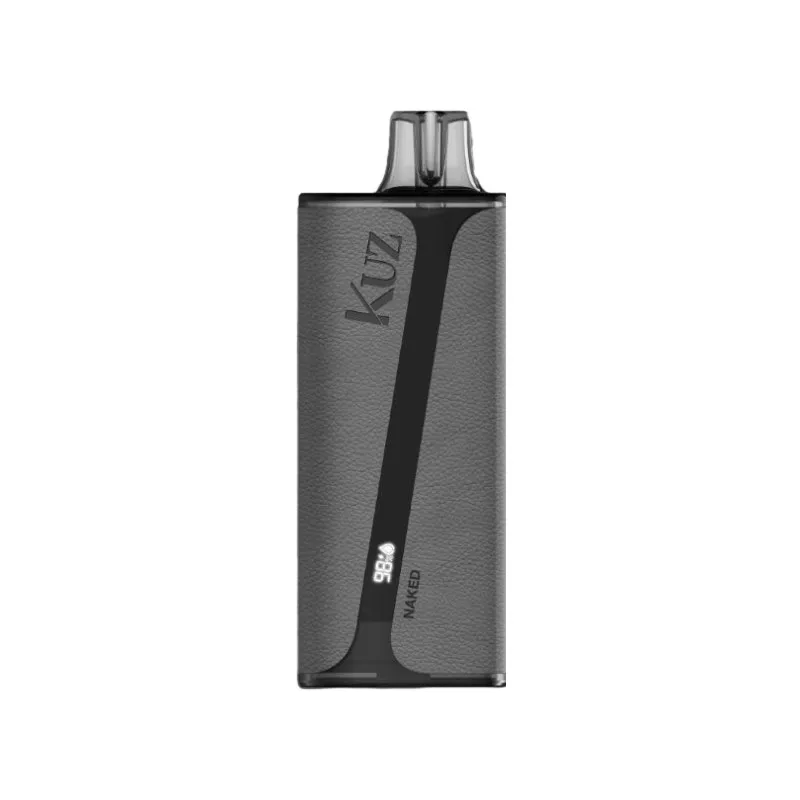
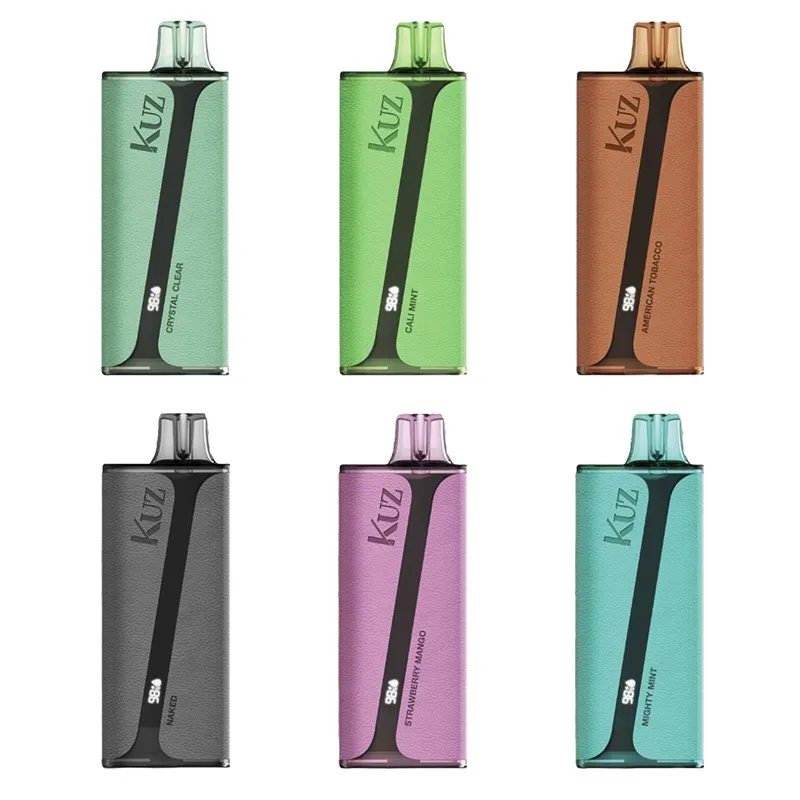
Designed for longevity, the KUZ 9000 offers an extended vaping experience. Its efficient airflow design balances draw resistance with vapor production, providing a smooth experience that remains consistent from the first puff to the last.
KUZ 9000 Puffs Disposable Vape Kit (Variant)
AUD $12.90
This variant of the KUZ 9000 series maintains the high standards of the brand, offering reliable battery performance and leak-resistant technology. It is an ideal choice for users seeking value without compromising on build quality.
Vape Battery – Sapphire Blue
AUD $19.00
A reliable power source is critical for consistent heating. This Sapphire Blue battery features standard 510 threading and adjustable voltage settings, allowing users to customize their heat levels. Higher voltage settings will produce denser vapor, increasing detectability.
The Future of Air Monitoring: Beyond the Standard Vape Detector
As we look toward the latter half of the decade, the humble vape detector is evolving into a comprehensive environmental sentinel. The next generation of devices is moving beyond simple laser scattering. We are seeing the integration of Artificial Intelligence (AI) and machine learning directly into the sensor firmware. These AI models are being trained on millions of “vape events” to recognize the specific chemical signature of popular e-liquid flavorings, distinguishing them from generic aerosols with near-perfect accuracy.
One of the most fascinating developments is the potential for “acoustic fingerprinting.” Every vape device, when activated, emits a specific ultrasonic frequency caused by the coil heating the liquid and the airflow rushing through the intake. While inaudible to the human ear, sensitive microphones can pick up this “coil hiss.” By combining acoustic data with particulate monitoring, future detectors could theoretically identify a vaping event before the vapor even reaches the sensor. This technology is still in its infancy but represents the cutting edge of detection tech.
User Story
“I’m a parent of two teenagers in Perth. I was worried about them vaping in their rooms, not because I want to be a policeman, but because of the health risks. I bought a consumer-grade air quality monitor that connects to my phone. It tracks VOCs. I noticed spikes every night at 10 PM. It opened up a conversation. We didn’t fight; I just showed them the data. It was a reality check for them that what they were exhaling wasn’t just ‘air’—it was chemicals changing the room’s atmosphere.”
— Elena R., 44, Accountant, Perth
Furthermore, the integration of these sensors into broader smart home and smart school networks allows for better data analytics. You can browse distinct aromatic profiles of various vapes, but hiding them from a sensor that tracks air quality trends over months is becoming impossible. The data collected helps facility managers understand usage patterns—knowing exactly which bathrooms are used for vaping and at what times—allowing for targeted intervention rather than blanket punishments. This data-driven approach is the future of compliance.
FAQ: Your Burning Questions About Vape Detector Technology
How to Interpret Air Quality Data from a Vape Detector
For facility managers or concerned homeowners, reading the data correctly is key to avoiding false accusations. Here is a step-by-step guide to analyzing sensor logs.
Step 1: Identify the Spike Shape
Look at the graph of Particulate Matter (PM2.5). A vaping event typically looks like a “Shark Fin”—a rapid, vertical ascent followed by a gradual decline as the vapor dissipates. Aerosols like deodorant often show a “Block” shape where the level stays high for longer due to heavier oils.
Step 2: Cross-Reference with Humidity
Check the humidity sensor log for the same timestamp. If humidity spiked simultaneously (e.g., from a shower), the PM2.5 alert is likely a false positive caused by water vapor binding to dust.
Step 3: Check the Decay Rate
Vapor dissipates faster than smoke but slower than steam. If the air quality returns to baseline within 2-3 minutes in a ventilated room, it is consistent with vapor. If it lingers for 15+ minutes, it is more likely to be smoke or a heavy chemical spray.
Step 4: Review Audio Decibels (If Applicable)
If your device monitors sound levels, check for a brief spike in noise immediately preceding the air quality alert. This could indicate the sound of a spray can nozzle (deodorant) vs the silence of a vape device.
✍️ About the Author
James Mitchell
Senior Vape Technology Analyst & Safety Consultant
James Mitchell is a leading voice in the Australian vaping and harm reduction space with over 8 years of industry experience. Formerly a compliance officer for building safety standards, James now specializes in the intersection of vaping hardware and environmental monitoring technology. He has consulted for educational institutions in Victoria on the ethical implementation of air monitoring systems and is a regular contributor to industry discussions regarding TGA regulations and device safety.
Editorial Standards: All content is independently researched and reviewed. We maintain strict editorial independence and are not influenced by advertisers.
Health & Legal Disclaimer
⚠️ HEALTH & REGULATORY DISCLAIMER
This article is for informational purposes only. Vaping products contain nicotine, a highly addictive chemical. These products are not intended for use by minors, non-smokers, or pregnant women. In Australia, nicotine vaping products (NVPs) are regulated goods and require a prescription from a medical professional. The information regarding vape detectors is intended to educate facility managers and the public on technology and compliance. For official health advice, please consult your GP or visit the Australian Department of Health. Always adhere to TGA regulations regarding the use and possession of vaping devices.
Australian Regulations: For the latest vaping regulations in Australia, visit the Therapeutic Goods Administration (TGA).
Related Articles & Recommended Reading
- The Insider’s Blueprint to i get vape australia: Navigating New Laws & Top Devices for 2026
- Is Your Device Legal? The 2026 Guide to Elite Vape Brands Australia
- Types of Vapes Decoded: The Ultimate Pathway to Finding Your Perfect Match
- Beyond the Cloud: The Real Truth About Vaping Effects and Your Body’s Recovery Timeline
